
Published 23 May 2026
E-invoice API integration guide
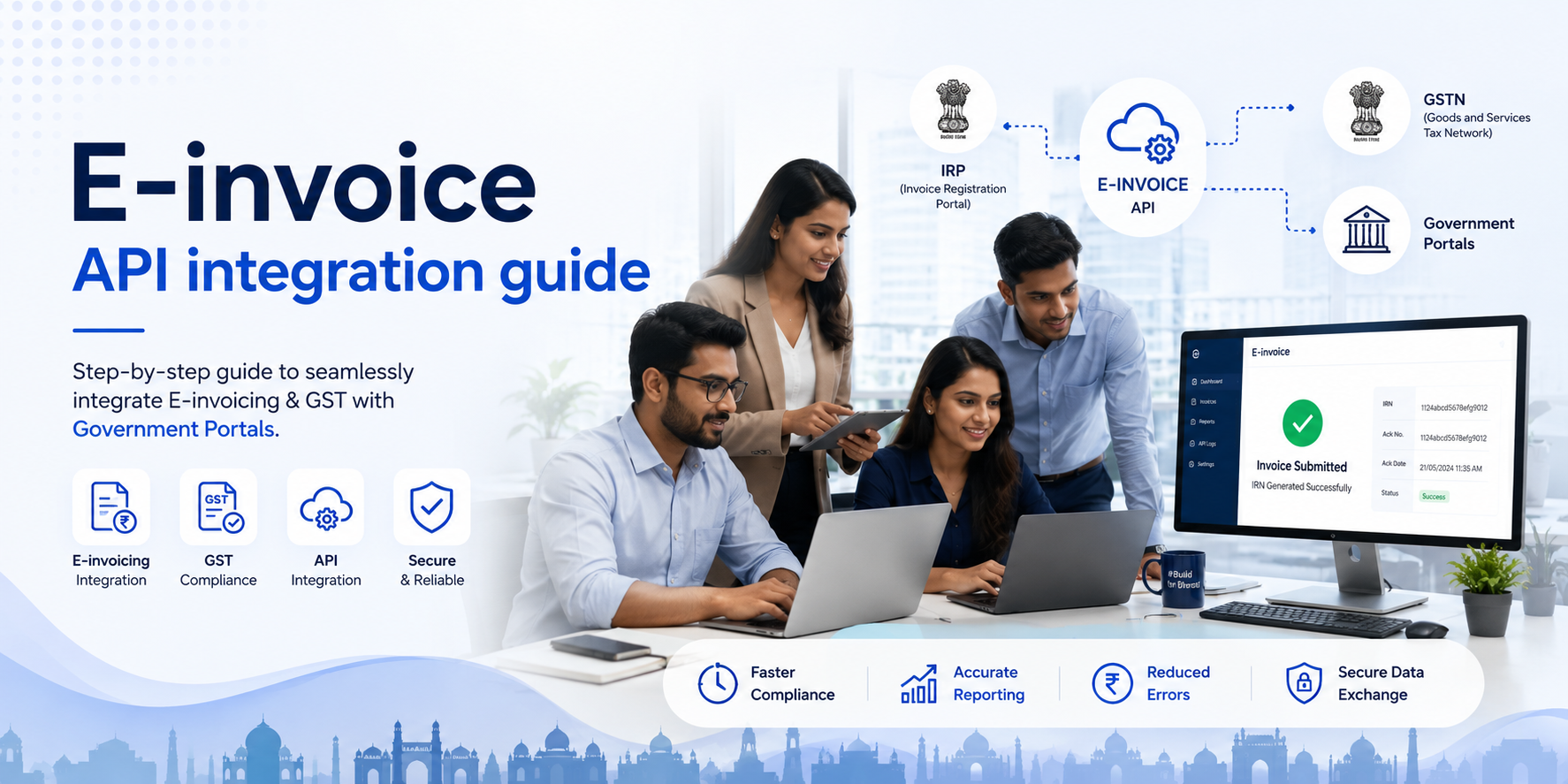
Understanding E-Invoicing API Integration
Learn how e-invoice API integration helps businesses automate billing, improve compliance, reduce errors, and streamline financial operations through modern digital invoicing systems.
Introduction
In today’s digital world, businesses are constantly looking for faster, smarter, and more efficient ways to manage operations. Traditional billing systems are gradually being replaced by electronic invoicing systems that automate invoice generation, sharing, and storage.
As businesses scale and handle more transactions, manual billing processes become difficult to manage. This is where API integration becomes highly valuable.
What is E-Invoicing?
E-invoicing is the process of generating and managing invoices digitally instead of using paper-based or manually created invoices.
Common Elements of an E-Invoice
- Invoice number
- Invoice date
- Customer and seller details
- Product or service details
- Tax and VAT information
- Total payable amount
- Digital signatures and authentication codes
Benefits of E-Invoicing
- Faster invoice processing
- Reduced manual work
- Better compliance management
- Improved billing accuracy
- Easy record keeping
- Lower operational costs
What is an E-Invoice API?
An E-Invoice API (Application Programming Interface) acts as a bridge between billing systems, ERP software, accounting tools, and government portals.
Automation
Automates invoice creation, validation, and submission processes.
Real-Time Sync
Enables real-time communication between systems without manual work.
Compliance
Helps businesses comply with tax and government regulations.
Efficiency
Reduces delays and improves operational productivity.
How E-Invoice API Integration Works
- Invoice data is generated within the business system.
- The API transfers invoice data to the required platform or government portal.
- The invoice is validated and authenticated automatically.
- A unique invoice reference number is generated.
- The verified invoice is returned and stored securely.
- The invoice is shared with customers and financial systems.
Key Features of E-Invoice APIs
1. Instant Invoice Generation
- Faster billing cycles
- Improved cash flow
- Reduced payment delays
- Better efficiency
2. Data Validation
- Automatic format checking
- Error detection
- Tax validation
- Reduced rejection rates
3. Secure Data Transfer
- Encrypted communication
- Protection against unauthorized access
- Improved cybersecurity
4. ERP Integration
- Seamless accounting integration
- Unified workflow
- Reduced duplicate entries
Common Challenges
Data Mismatches
Different systems may use different formats and structures, which can create validation issues and invoice processing delays.
Compatibility Issues
Older ERP systems may not support modern APIs and integration methods.
Error Handling
Proper monitoring and logging systems are essential to identify and resolve API issues quickly.
Security Risks
Businesses must secure financial data through encryption, authentication, and access control systems.
Compliance & Security
- Follow tax and invoicing regulations
- Use encrypted API communication
- Implement secure authentication methods
- Maintain customer data privacy
- Regularly monitor API activity
Final Thoughts
E-invoice API integration is becoming essential for modern businesses. It improves financial operations, reduces manual workload, enhances compliance, and increases billing efficiency.
As digital transformation continues to grow, e-invoicing systems will become smarter, faster, and more connected with automation and AI-powered insights.